Amblygonitic

Field notes

Four walks that did not match the paragraph

Each piece starts from a detail that failed in the light: a note after rain, a pack full of unused weight, a time that had to be obeyed, a group that wanted three different speeds.

These are not trip diaries and they are not rankings. They are the public version of the work we do in consultations — one mismatch, written so you can use it the next morning you leave the car. Newer notes sit first.

The collection

Read the notes in order of the day they were filed

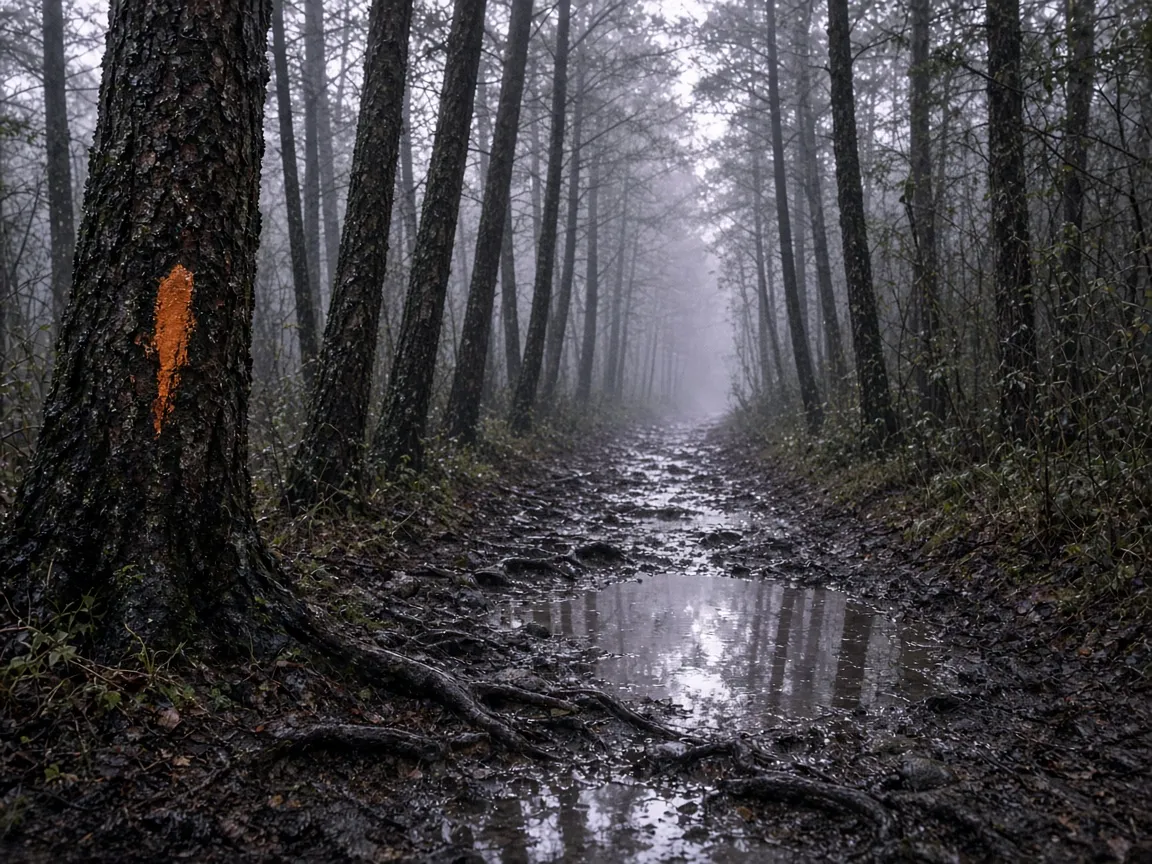
Rain-darkened forest path with exposed roots and orange waymark paint on a wet trunk

Why Easy Trail Notes Still Fail After Rain

5 min read Mara Ellison

A route marked easy on a dry Saturday can still become a long return after overnight rain. This piece tracks which details in other people’s notes go stale first — packed mud, missing blazes, and crossings that were ankle-deep in last year’s photos — and what to look for instead of star ratings.

Read Article
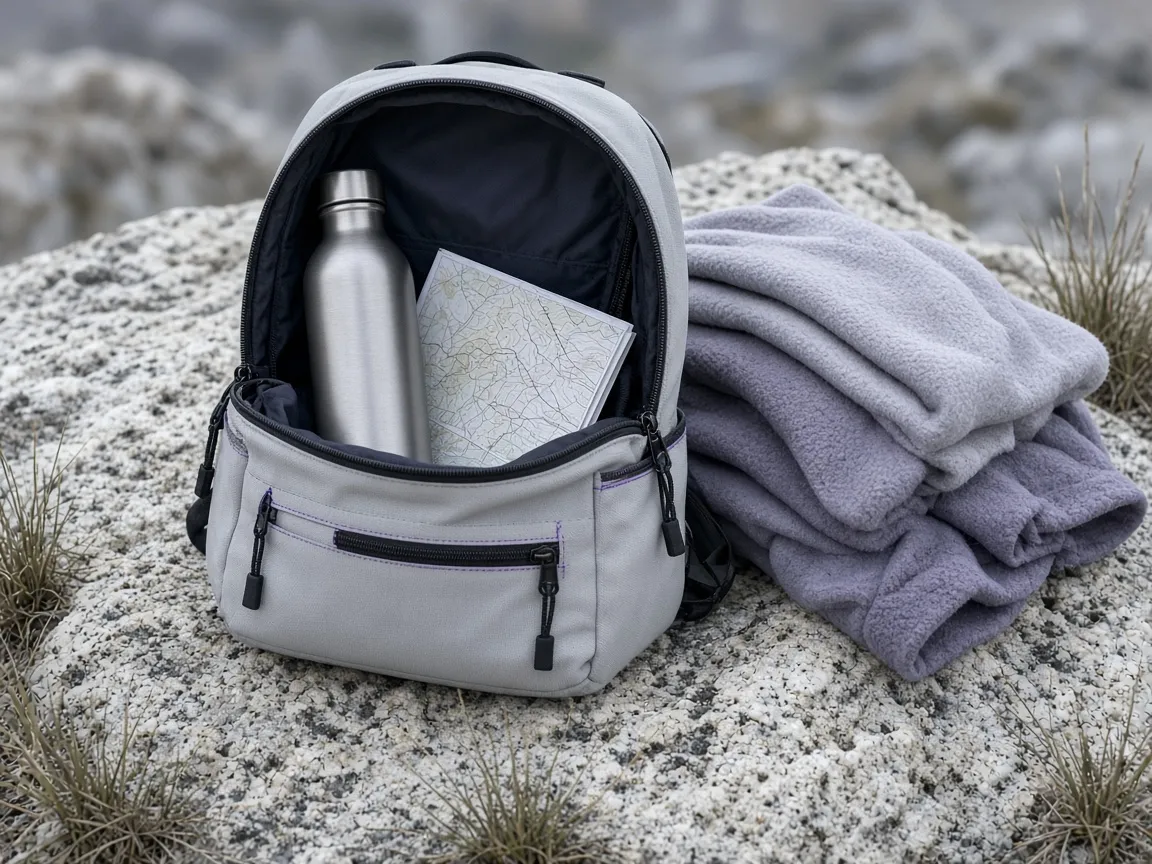
Open canvas daypack on a granite slab with a water bottle and folded map

Packing a Day Pack Without Dead Weight

4 min read Jonah Whitaker

Most day packs get heavy from objects that never leave the bottom pocket. After a valley loop we emptied three typical kits and kept only what had been used: water, a light, a layer, and a way to read the map with no signal. The rest made the last hour slower than the first.

Read Article
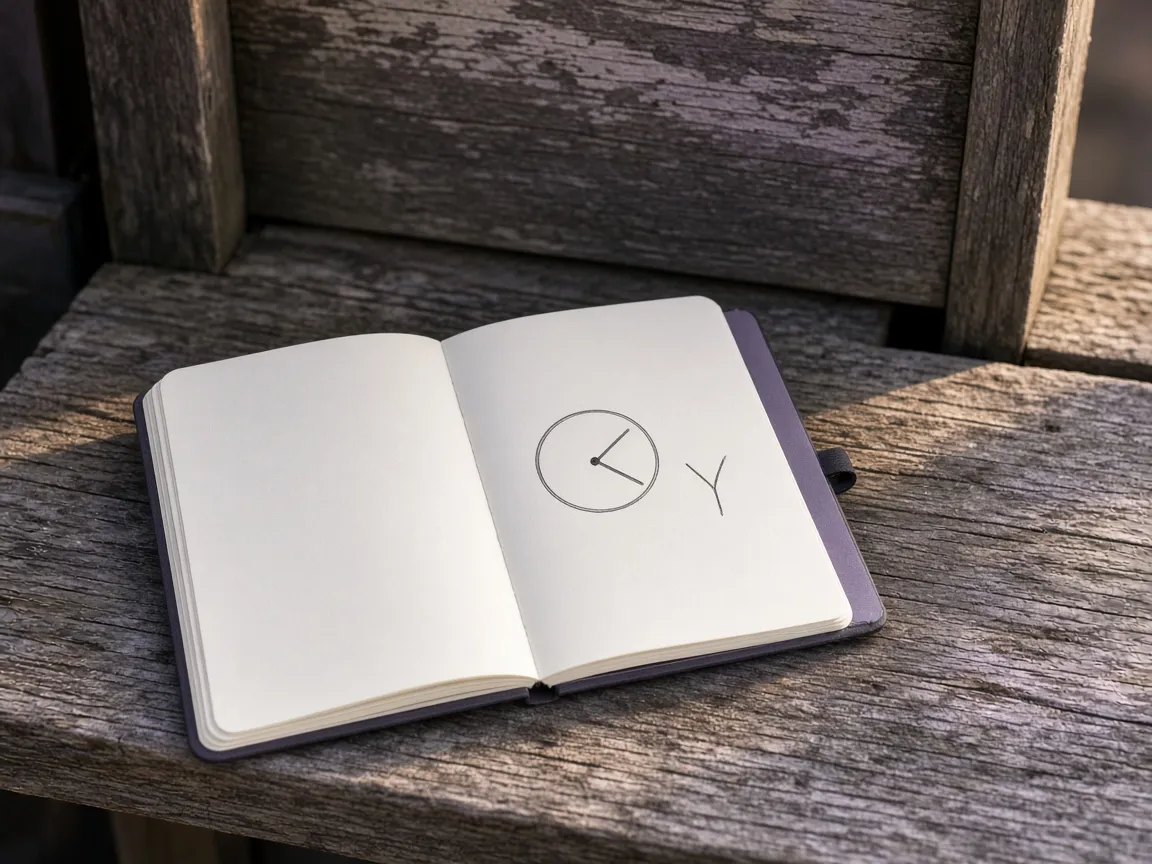
Open notebook on a trailhead kiosk ledge with a circled time and a junction sketch

When the Written Turnaround Time Arrives

3 min read Adele Navarro

The viewpoint was still twenty minutes ahead when the time on the page came due. This note is about copying that hour onto paper at the kiosk, then treating it as a fact when the light is still pretty and the group wants one more bend. The walk that turns there is the walk that still owns the return.

Read Article
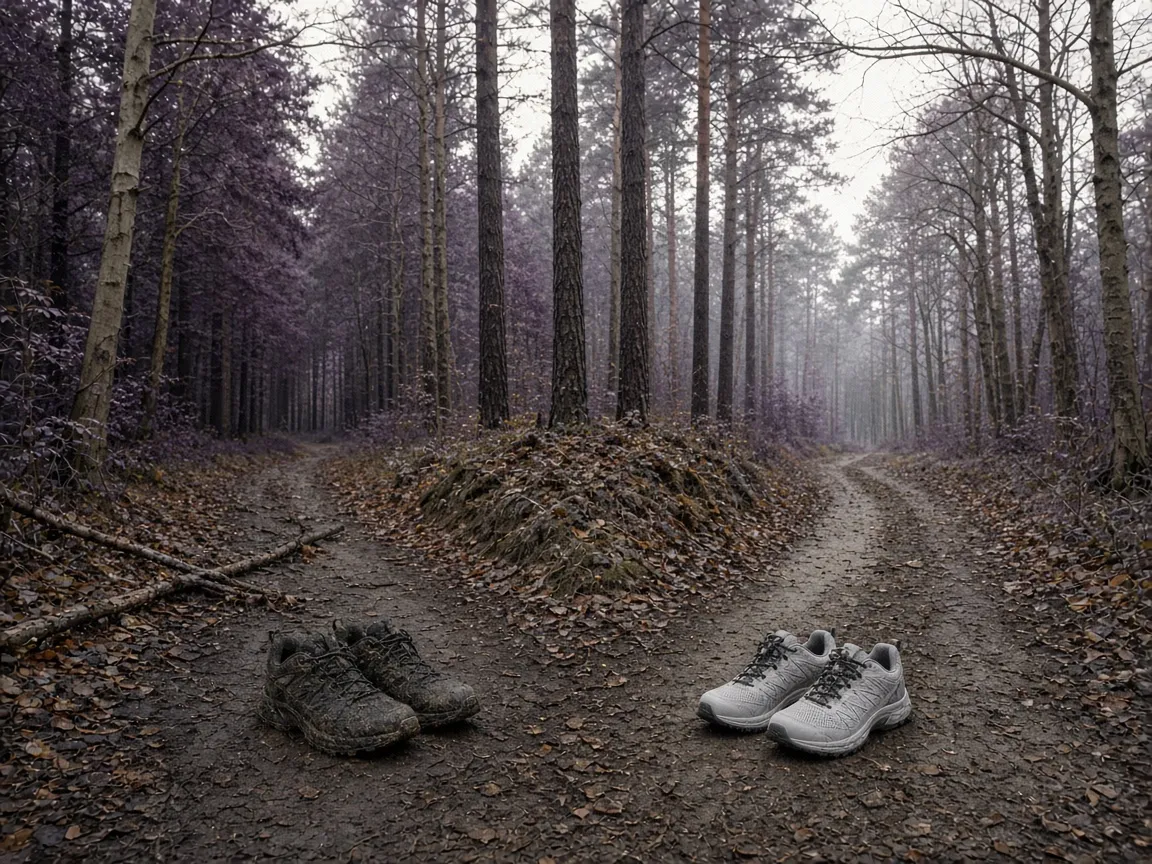
Two pairs of walking shoes at a forked forest path, one muddy and one clean

Walking a Mixed-Pace Loop Without Splitting

5 min read Theo Brennan

The fastest walker reached the fork twelve minutes ahead and could no longer hear the rest. This piece is the agreement we now make at the first hill: the slowest person sets the talking pace, the lunch sits on the clock, and nobody uses “I’ll wait at the top” as a way to disappear. A group that finishes together still had a walk.

Read Article

If a piece describes the walk you are about to take

Send the note you are holding and the names of who is coming. A consultation uses the same checks as these articles, written for your clock and your pack, not for a general reader.

Request a Consultation

How the notes get made

The about page is the method behind the bylines: why we stayed with one-day walks, how a second visit changes a sentence, and who we will not treat as a source.

Learn More

Read this before you go

Materials on Amblygonitic are educational and informational. They explain how we read route notes, pack a day kit, count daylight, and decide when to stop. They are not a personal instruction to start any particular walk, and they are not a substitute for judgment on the ground.

Questions about physical load, fitness, health limits, or whether a walk is appropriate for you belong with qualified professionals, not with a website about route notes. We do not describe walks as treatment, recovery, or a way to fix how you feel.

Surfaces, waymarks, weather, water levels, and access change between seasons and after storms. A description that was accurate on one visit can be wrong on the next. Confirm current conditions before you leave, and treat turning around as a normal end to the day.

You decide whether to start, continue, or stop. Amblygonitic is not responsible for choices made on a route, including timing, equipment, companionship, or the decision to keep walking after the planned turnaround time.