Distance that includes the way back
Out-and-back mileage is often written as the outbound figure. If the note stops at a viewpoint, double it, then add the extra you will walk looking for a missed mark.
Easy on paper is not the same as finishing in daylight. We treat a day walk as a planning problem, not a casual stroll.
Most first walks go long because the note left out the surface, the climb, or how faded the marks were. We show how to read those gaps, count time with stops, and pack only what the last hour will still thank you for.
Learn MoreRoute notes
A description that only says short, popular, or family-friendly still leaves you guessing at the ground. We ask for four numbers and conditions before we call a line walkable in a day.
Out-and-back mileage is often written as the outbound figure. If the note stops at a viewpoint, double it, then add the extra you will walk looking for a missed mark.
A modest total can still stack into one steep hour. We look for where the gain sits, because that is where a steady talker goes quiet and the clock speeds up.
Packed dirt, wet roots, loose gravel, and boardwalk each ask for a different shoe and a different pace. The word trail does not tell you which one you will meet after the first bend.
A line that was clear last season can lose blazes, hold water, or grow a detour. Condition is a date-sensitive fact, not a permanent trait of the place.

Reports and daylight
Trip reports are useful until they are not. Photos of a dry crossing can outlive the crossing itself. Praise for bright paint can outlive the paint. We read reports for what the writer had to improvise — a missed fork, a shoe change, a lunch that lasted longer than planned — because those asides age more slowly than star ratings.
Daylight is the other half of the same problem. A comfortable outbound pace still has to cover the return, the climbs, and the minutes you will spend standing still. We count a sitting break and a buffer before the light drops, then write a turnaround time on paper before leaving the kiosk.
Field notes
These figures come from route notes we compare with later visits, packing lists we empty after the walk, and consultations where the question is how to finish in the light — not how far someone can push.
On the day
Endurance is rarely the first thing to fail. Sore feet, a pack that never stops shifting, a group walking three different speeds, or a late decision to push one more junction — those are the usual reasons a simple walk comes home in the dark.
If the surface is mixed gravel and wet wood, a flexible trainer that felt fine on pavement will start to slip when you are tired. We match the sole to the ground we expect after rain, not to the dry photo in the listing.
Forest shade and an open shoulder can sit twenty minutes apart. A light shell and a warm midlayer beat one heavy coat that comes off, gets strapped badly, and then is too much trouble to put back on.
Water, a light, a spare layer, food you will actually eat, and a way to read the line with no signal. Spare gadgets and extra clothes that never leave the bottom pocket make the last descent slower than the first climb.
Agree on a slowest-person pace before the first hill. Keep one offline map and a landmark you can still name if the paint is gone. If the group fragments, the weather turns, or the written turnaround time arrives, turning around is the walk going to plan.
Latest notes
Short reads from walks we planned, walked, and then unpacked. Each one starts from a detail that did not match the description.
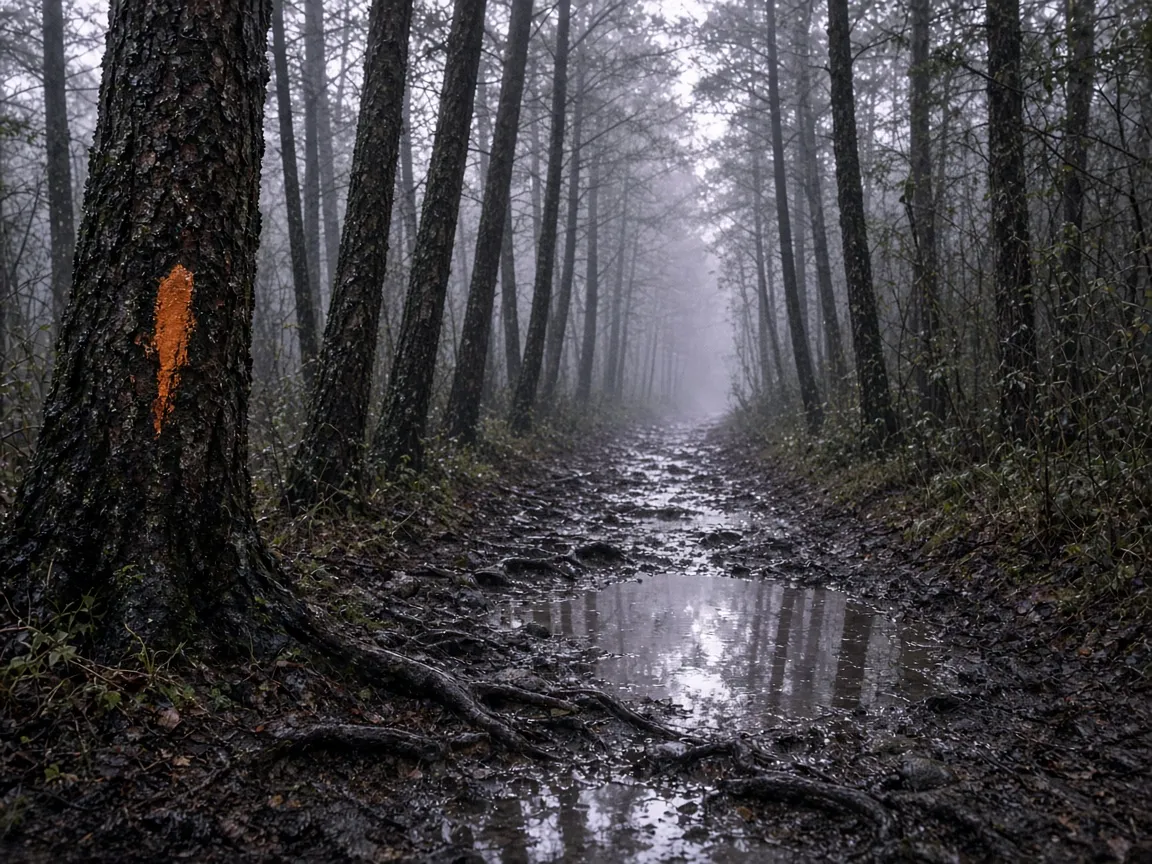
A route marked easy on a dry Saturday can still become a long return after overnight rain. This piece tracks which details in other people’s notes go stale first — packed mud, missing blazes, and crossings that were ankle-deep in last year’s photos — and what to look for instead of star ratings.
Read Article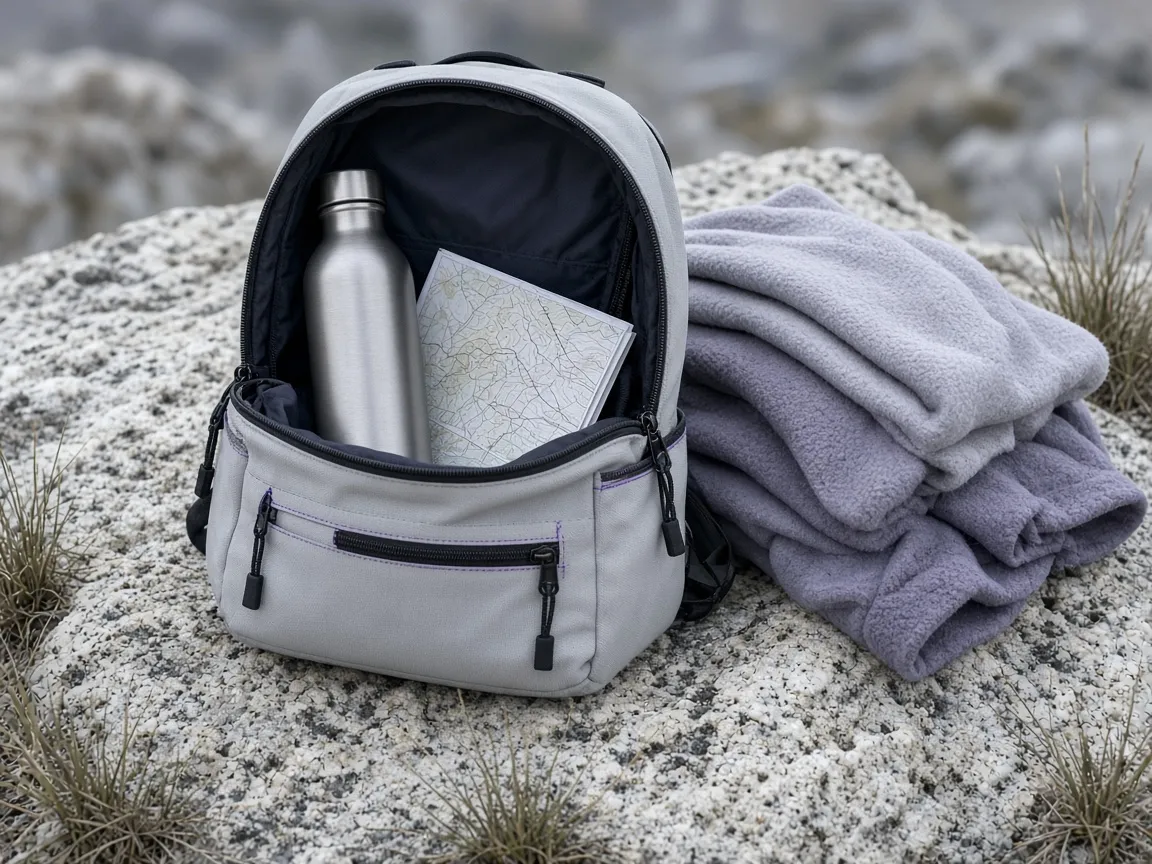
Most day packs get heavy from objects that never leave the bottom pocket. After a valley loop we emptied three typical kits and kept only what had been used: water, a light, a layer, and a way to read the map with no signal. The rest made the last hour slower than the first.
Read ArticleFrom readers
These notes come from people who asked for a plan, then walked it. The result we care about is a calm return, not a longer distance.
Send the route note you are looking at, who is walking, and when you need to be back. We will help you read the gaps, set a turnaround time, and strip the pack before you leave.
Request a ConsultationAmblygonitic reads descriptions against later conditions, walks the same corridors again, and turns those mismatches into checklists you can use on a single day. We do not promise an easy path. We help you choose one you can finish in the light you have.
Materials on Amblygonitic are educational and informational. They explain how we read route notes, pack a day kit, count daylight, and decide when to stop. They are not a personal instruction to start any particular walk, and they are not a substitute for judgment on the ground.
Questions about physical load, fitness, health limits, or whether a walk is appropriate for you belong with qualified professionals, not with a website about route notes. We do not describe walks as treatment, recovery, or a way to fix how you feel.
Surfaces, waymarks, weather, water levels, and access change between seasons and after storms. A description that was accurate on one visit can be wrong on the next. Confirm current conditions before you leave, and treat turning around as a normal end to the day.
You decide whether to start, continue, or stop. Amblygonitic is not responsible for choices made on a route, including timing, equipment, companionship, or the decision to keep walking after the planned turnaround time.